

The 50 Most Useful English Phrasal Verbs
50 practical phrasal verbs organised by real-life situations, not alphabetically — with example scenes, usage notes, and tips for making them stick.
Master essential English skills with real ESL tests designed by language experts. Build your grammar, vocabulary, reading, and listening through interactive practice tailored for all levels — from beginner to advanced. Perfect for everyday use, exam preparation, or professional fluency.
Start here
Build core English skills with focused, level-based practice.
Train your ear with ESL audio exercises and comprehension questions.
Read real-world passages and answer questions to build accuracy and speed.
Practice core grammar points with level-based ESL quizzes and clear feedback.

Practice English listening with real-world audio and interactive exercises designed for all levels. Improve your comprehension, accent recognition, and fluency with practical listening tests.

Sharpen your English reading skills with engaging texts and comprehension quizzes. Perfect for building vocabulary, speed, and understanding of written English across all topics.

Expand your English vocabulary with targeted quizzes and word practice. Master essential words and phrases for everyday use, exams, and fluent conversation.

Strengthen your English grammar through practical exercises and real-use examples. Learn to write and speak accurately with confidence across all tenses and structures.
Jump straight into targeted practice with our most popular ESL, IELTS, Business, and Everyday English test categories.
Millions of learners use our platform to prepare for ESL exams and real-world communication.
50 practical phrasal verbs organised by real-life situations, not alphabetically — with example scenes, usage notes, and tips for making them stick.
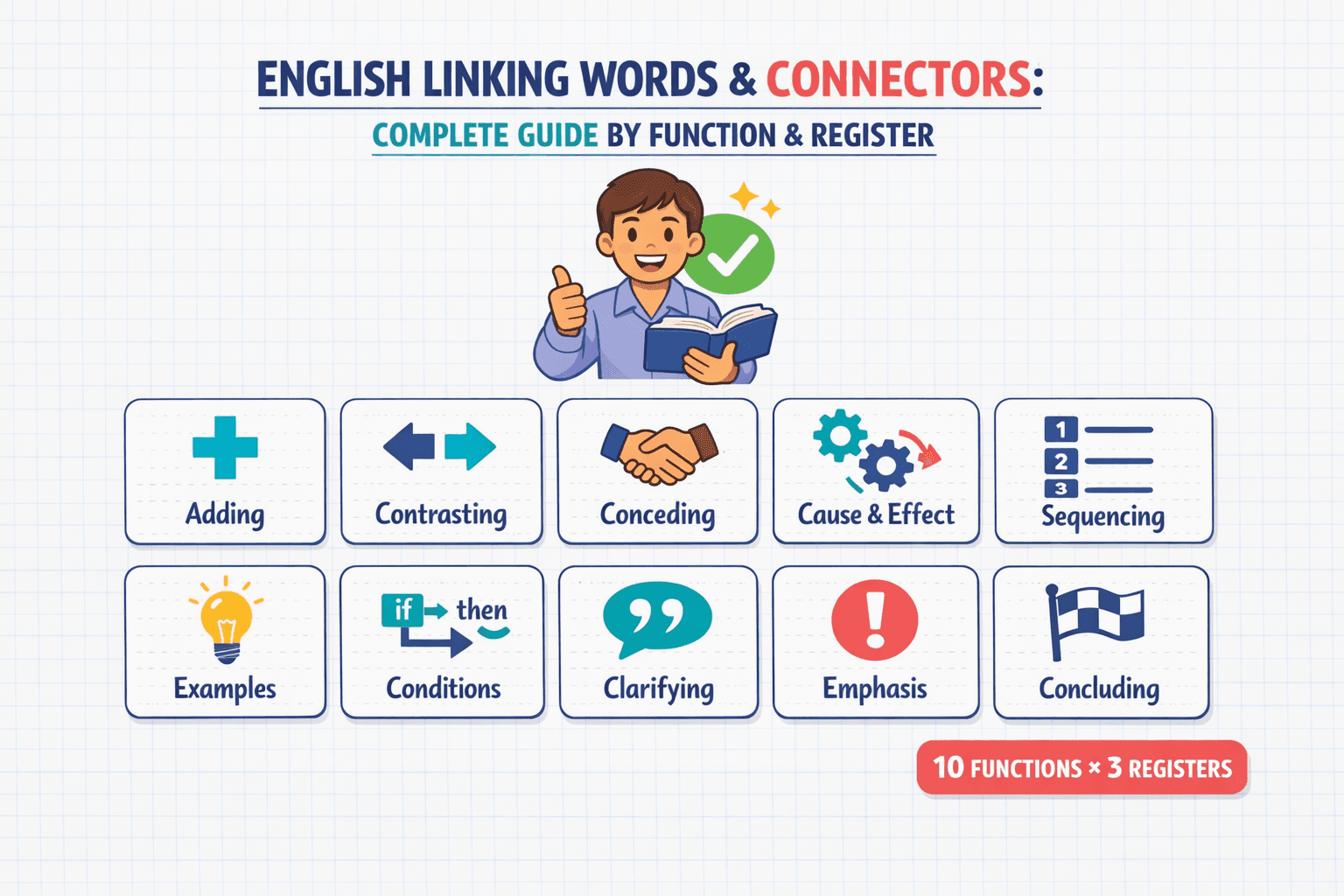
Master English linking words by function and register. Tables covering 10 categories, three register levels each, with usage notes, common traps, and a real before-and-after example showing what strong connector use actually looks like.
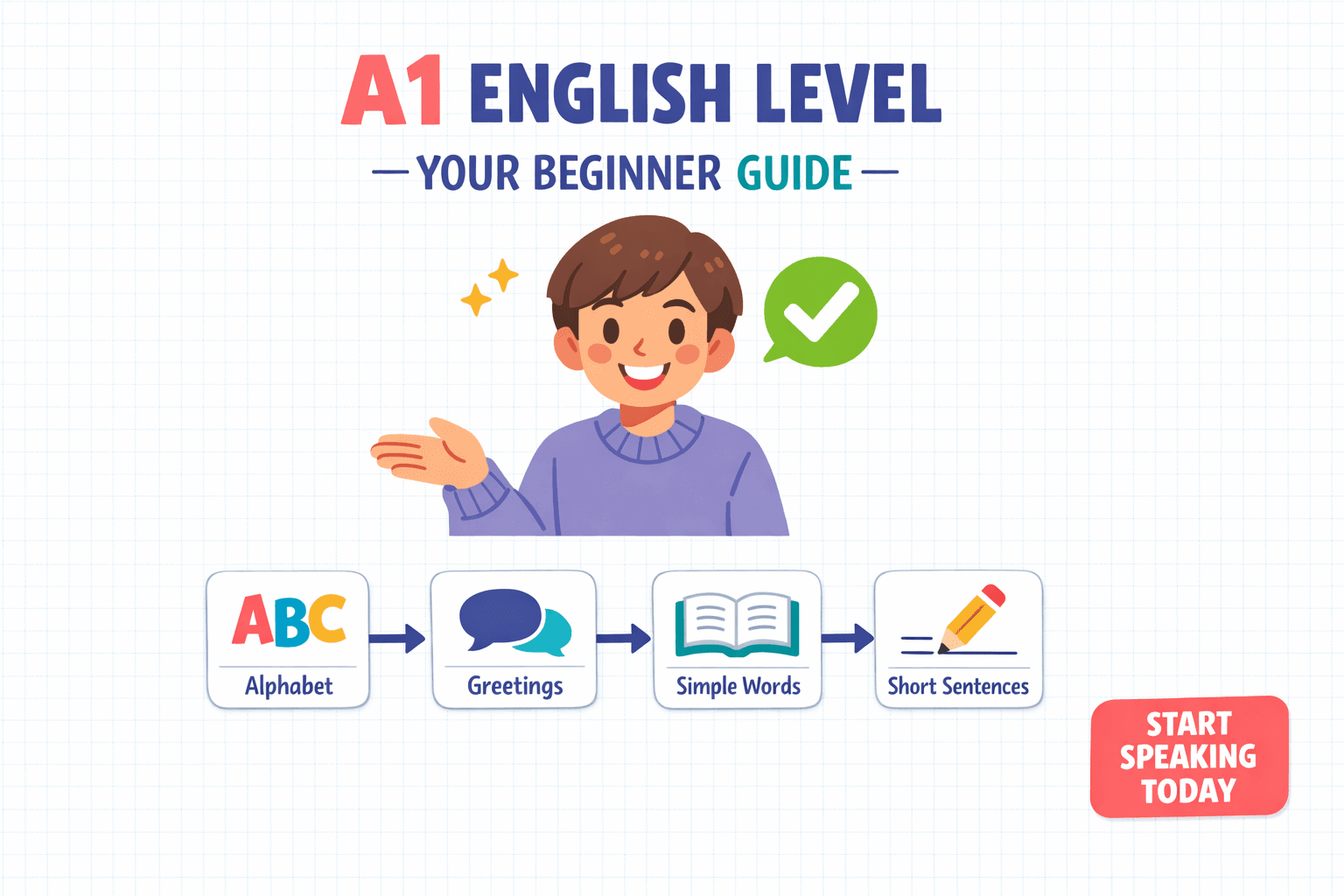
A practical guide to the A1 CEFR level — what it means, the five grammar topics to master, which 300 words matter most, and how to reach A2.
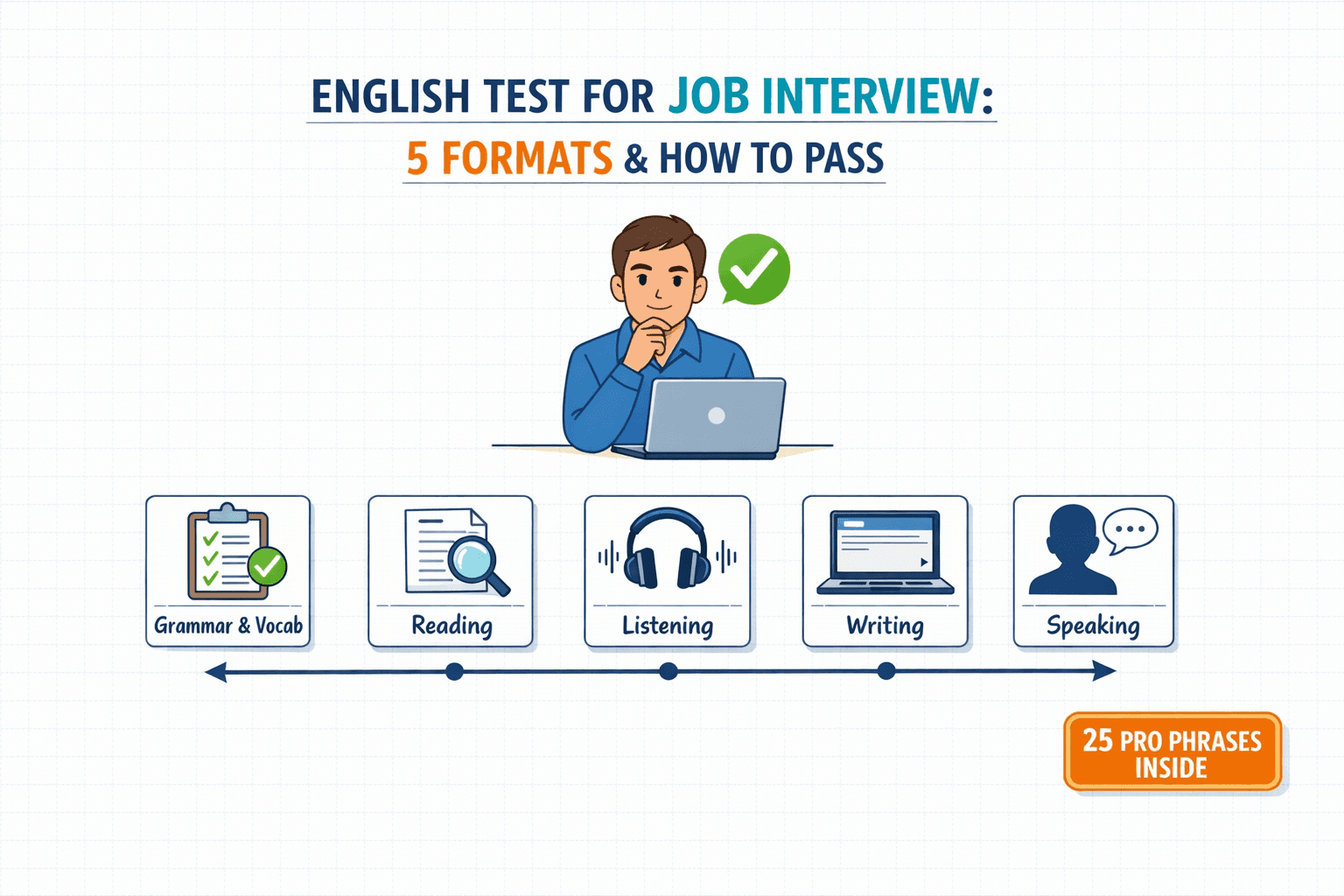
Break down the five English test formats companies use in hiring, with targeted prep strategies and 25 workplace phrases that make you sound professional without sounding rehearsed.
Enhance your English skills with this B2 level reading quiz on Maria Gonzalez's journey from protest to policy in the fight for affordable housing.
From Protest to Policy: A Community Leader’s Journey →ESL is a specialized approach to teaching English to learners whose first language isn't English. It focuses on essential skills—grammar, vocabulary, reading, and listening—critical for success in academic exams like IELTS or everyday fluency.
Start by reading diverse materials—newspapers, blogs, academic articles—and noting new words. Combine this with targeted ESL vocabulary quizzes, flashcards, and consistent review sessions to ensure long-term retention.
IELTS Academic tests more formal, scholarly English suitable for university admissions, while IELTS General Training emphasizes practical, everyday English for immigration or basic employment. Both require strong reading, listening, speaking, and writing skills.
Daily or near-daily practice is best. Short, focused ESL grammar exercises and regular writing or speaking activities help you internalize complex structures faster and avoid bad habits.
Absolutely. Free ESL tests can give you valuable exposure to question formats, time management, and the vocabulary range you'll encounter on official exams, though official practice materials are still important for final prep.
Combine official IELTS reading passages with broader content like news articles, research journals, and short stories. This diverse approach enhances both your test-taking strategies and your overall reading comprehension in real-world contexts.
Regularly tune in to English business podcasts, watch workplace-related videos, and simulate real-life discussions. Pair these with ESL listening exercises that focus on accents, industry-specific vocabulary, and rapid speech patterns.
Use reliable online ESL placement tests, track your progress with consistent quizzes, and compare your results to standardized frameworks like the CEFR (A1, A2, B1, etc.). You can also seek feedback from qualified teachers or language exchange partners.
Daily reading and listening exposure broadens your vocabulary, refines your comprehension skills, and familiarizes you with native pacing and context. This consistent habit helps you handle exam texts and audio more confidently and efficiently.
Focus on key spelling differences (colour vs. color), vocabulary variations (flat vs. apartment), and subtle grammar distinctions (collective nouns, prepositions). Practice with region-specific ESL exercises to solidify the differences and use them correctly in context.